

Android: The Evolution of the Mobile Operating System
In the span of just over a decade, the mobile landscape has undergone a revolutionary shift. At the heart of this transformation is Android, an operating system that has fundamentally changed how we interact with the modern smartphone. From its quiet beginnings to power-packed modern iterations, Android has democratized technology, making connectivity accessible to billions of users worldwide.
From Humble Beginnings to Global Dominance
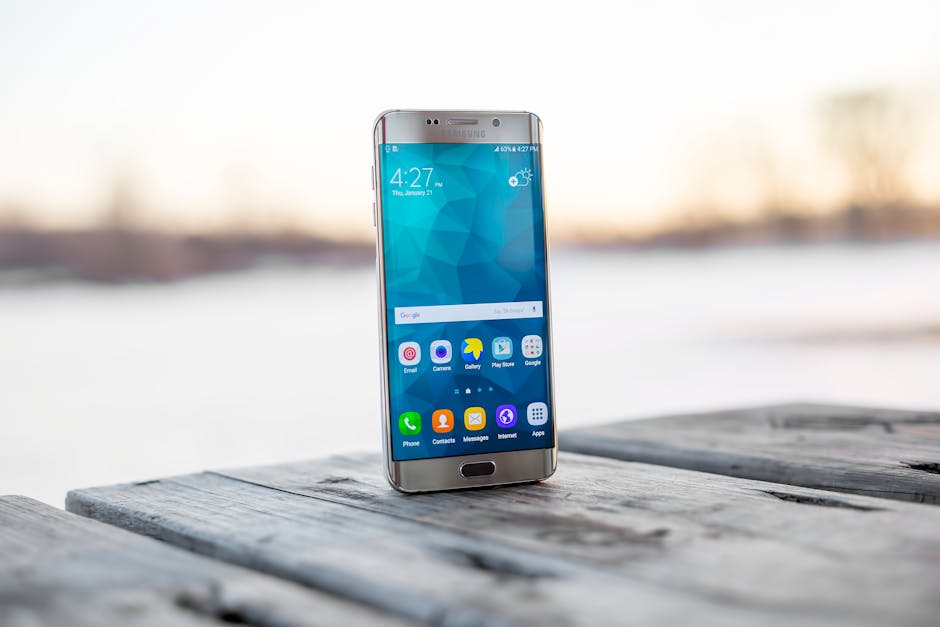
Android's journey started in 2003, founded by Andy Rubin, Rich Miner, Nick Sears, and Chris White. Originally designed to improve the operating systems of digital cameras, the creators quickly realized the broader potential in the mobile market. Google acquired Android Inc. in 2005, paving the way for the launch of the very first commercial Android smartphone, the HTC Dream (also known as the T-Mobile G1), in 2008.
This early era was marked by experimentation. Unlike its closed-source competitors, Android’s open-source nature allowed manufacturers to customize the software. This flexibility proved to be a massive catalyst for adoption, cementing its position in the rapidly growing smartphone sector.
Key Milestones in the Android Roadmap

As the operating system matured, Google introduced a delicious naming convention based on desserts, representing a continuous sweetening of the platform's capabilities. Each major release introduced features that redefined the standard smartphone user interface and backend architecture:
- Android 1.5 Cupcake (2009): Introduced the on-screen virtual keyboard and support for third-party widgets.
- Android 4.0 Ice Cream Sandwich (2011): Unified the tablet and phone UI, introducing facial recognition and a refined, modern aesthetic.
- Android 5.0 Lollipop (2014): Debuted Material Design, bringing a clean, responsive, and flat design philosophy to the ecosystem.
- Android 10 (2019): Dropped dessert names for public branding, introducing system-wide dark mode and gesture navigation.
- Android 14 (Current Era): Focuses heavily on security, deep customization, and seamless integration with foldables and wearables.
Android Today: Powering the Modern Smartphone Ecosystem

Today, Android controls over 70% of the global market share, shaping the global smartphone ecosystem in unprecedented ways. It is no longer just software for phones; it powers televisions, smartwatches, car infotainment systems, and tablets. The modern Android experience leverages advanced artificial intelligence, machine learning, and hardware-software optimization, powering everything from budget-friendly devices to ultra-premium folding smartphones.
To understand why Android remains a dominant force, it is helpful to look at its core strengths and the challenges it continues to face in the modern marketplace.
| Pros of the Android OS | Cons of the Android OS |
|---|---|
| High Customization: Users can change launchers, widgets, and default apps to suit their exact preferences. | Device Fragmentation: Because so many manufacturers use Android, software updates can take months to reach older devices. |
| Diverse Hardware Choices: Available across thousands of devices spanning various price ranges, form factors, and specifications. | Varying Performance Quality: The user experience can vary drastically between budget hardware and flagship smartphones. |
| Open-Source Nature: Allows developers and manufacturers to innovate freely and build custom skins (like Samsung's One UI). | Security Vulnerabilities: Being an open ecosystem makes it a more frequent target for malware and sideloaded threats. |
Ultimately, Android's evolution is a testament to the power of open collaboration. By enabling hardware manufacturers to innovate on top of a highly robust foundation, Google has ensured that the platform remains at the cutting edge of technology. As we look to the future of AI-driven mobile computing, Android is well-positioned to remain the operating system of choice for the next generation of mobile innovators.